
Bateman and the City
American PsychoThis flow traces New York City as a landscape of luxury, homelessness, danger, traffic, entertainment, and emotional indifference.
increasing Bearing strength in each event
 decreasing
Bearing strength in each eventdecreasingLuxury Manhattan
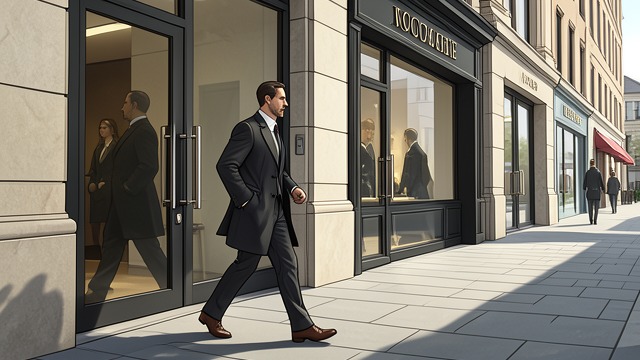
Luxury Manhattan
Privileged Geography
Bateman moves between the Upper West Side, Wall Street, restaurants, clubs, and department stores.
Spatial Belonging
His route maps social rank more than physical distance.
Significance
The city appears as a private network reserved for those who can purchase access.
Visible Poverty

Visible Poverty
Street Contrast
Beggars, homeless people, and addicts occupy the same streets as limousines and luxury stores.
Selective Attention
Bateman notices poverty constantly but interprets it as irritation or scenery.
Significance
The city makes inequality impossible to miss yet easy to deny.
Nightlife Circuit

Nightlife Circuit
Repetitive Movement
Bateman cycles through Harry's, Nell's, Tunnel, M.K., and other clubs.
Social Exhaustion
The more he attends, the less novelty or connection he experiences.
Significance
Nightlife becomes a closed loop where pleasure reproduces emptiness.
Urban Violence
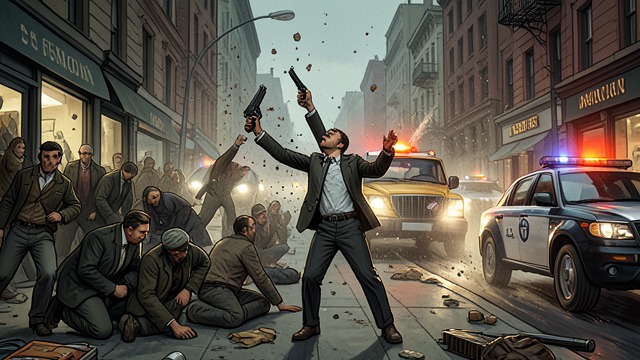
Urban Violence
Sudden Threat
A saxophonist, taxi driver, police officers, and bystanders become caught in Bateman's shooting spree.
Public Collapse
Traffic, sirens, and spectators transform the city into chaotic spectacle.
Significance
The social order proves vulnerable but not capable of understanding its source.
Routine Restoration

Routine Restoration
Return to Offices
After the spree, Bateman reaches work and resumes phones, clothes, and appointments.
City Absorption
Manhattan gives him no meaningful punishment or recognition.
Significance
The city is both the stage of his violence and the mechanism that conceals it.
April
April and May
spring and summer
late autumn
near dawn
